The scoreboard read 120–108.
The San Antonio Spurs had just secured one of their most emotional and defining victories of the season over the Portland Trail Blazers. Fans were on their feet, the arena was shaking, and the celebration had already begun.
For most people watching, that was the story.
Another big win.
Another statement performance.
Another night proving that San Antonio is becoming one of the most dangerous teams in the league.
But just seconds after the final buzzer, something happened that made the final score feel almost irrelevant.
It was not a dunk.
It was not a game-winning shot.
It was not a postgame interview.
It was a silent moment—unexpected, deeply human, and powerful enough to stop an entire arena in its tracks.
And it came from Spurs rising star Stephon Castle.
The Victory Everyone Expected—And the Moment Nobody Saw Coming
As soon as the clock hit zero, Spurs players rushed toward each other in celebration.
The crowd exploded.
Coaches exchanged handshakes.
Fans screamed from every corner of the building.
It was the kind of scene every team dreams about.
A hard-fought win.
A statement night.
A reminder that momentum matters this time of year.
But while most eyes were focused on the winning side, another image quietly formed on the opposite bench.
Portland veteran Jrue Holiday sat alone.
Head down.
Shoulders heavy.
A towel covered part of his face as he tried to process the loss.
It was a painful image.
Not because of the defeat itself, but because everyone could see what it meant to him.
Holiday is not just another player.
He is one of the most respected veterans in the NBA—a leader, a competitor, and someone known across the league for his professionalism and toughness.
For someone like him, losing does not just hurt.
It stays with you.
And in that moment, the pain was visible.
The cameras caught it.
The arena felt it.
And then Stephon Castle noticed it.
Instead of Celebrating, He Walked the Other Way
Castle had every reason to celebrate.
He had been one of the emotional engines of the Spurs’ win.
The young star had played with confidence, energy, and maturity beyond his years. Fans were chanting, teammates were embracing him, and the spotlight was ready to belong to him.
But Castle did something nobody expected.
He turned away from the celebration.
He did not run toward the crowd.
He did not jump into the victory circle with his teammates.
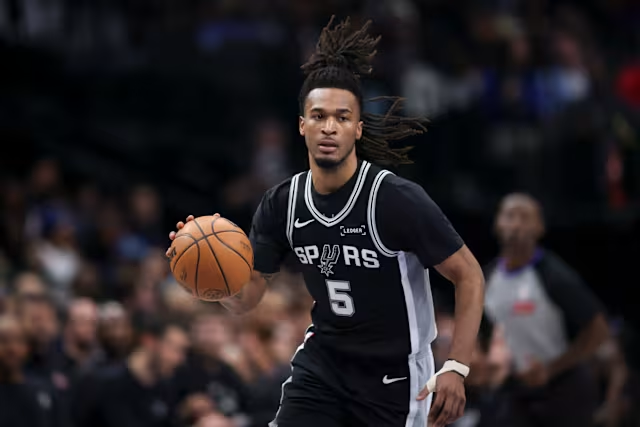
He did not chase the cameras.
Instead, he walked quietly across the floor—to the losing side.
Straight toward Jrue Holiday.
At first, people thought it was just a quick handshake.
A normal sign of sportsmanship.
But it became clear this was something different.
Castle walked up to Holiday, then slowly knelt beside him.
Not standing over him.
Not offering a rushed pat on the shoulder.
He knelt.
That detail changed everything.
Because kneeling beside someone is not about formality.
It is about respect.
It is about meeting someone where they are.
It is about saying, without words: I see you.
A Whisper That Changed the Entire Room
No microphone picked it up.
No reporter could quote it.
No camera caught the exact words.
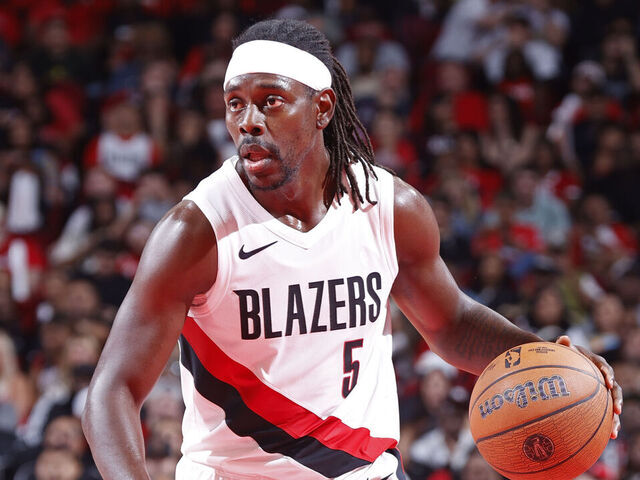
But everyone saw what happened next.
Castle leaned in and whispered something to Holiday.
Something private.
Something real.
Something that clearly mattered.
For a few seconds, the arena that had been roaring just moments before became strangely quiet.
Holiday slowly lifted his head.
He pulled the towel from his face.
He looked at Castle.
Then, after a moment, he stood up.
That simple action felt bigger than basketball.
It was not about winning anymore.
It was about dignity.
About respect.
About one competitor helping another stand back up after a painful fall.
And everyone in that building knew they had just witnessed something rare.
This Was Not Just Sportsmanship—This Was Leadership
We talk about leadership in sports all the time.
We use the word for players who score 30 points.
For stars who hit clutch shots.
For captains who lift trophies.
But real leadership often looks quieter than that.
Sometimes leadership is not loud.
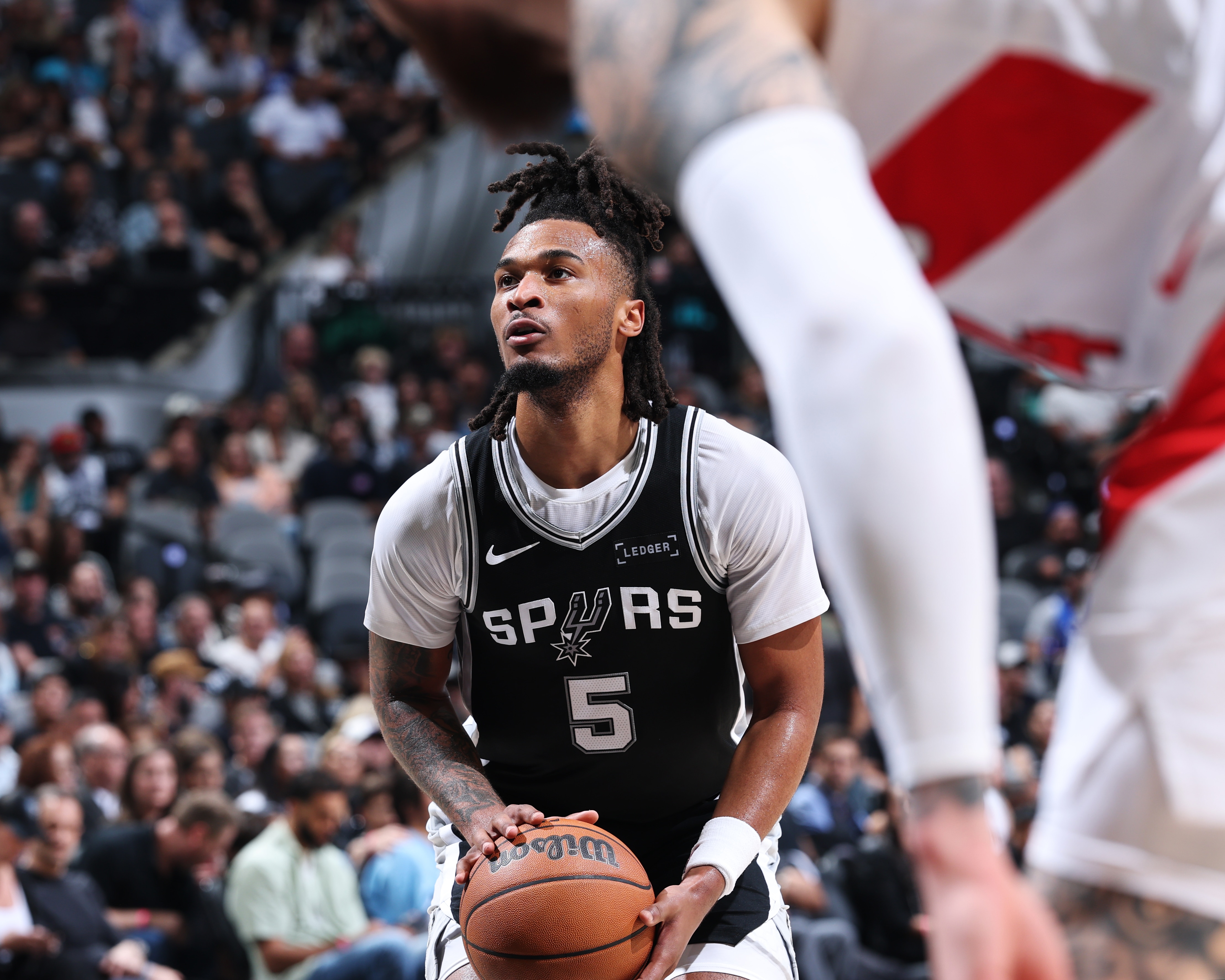
Sometimes it does not trend immediately.
Sometimes it happens when nobody expects it.
Stephon Castle’s gesture was leadership.
Not because it made headlines.
But because it revealed character.
In today’s sports culture, too much attention goes to trash talk, rivalries, and public humiliation. Social media rewards disrespect. Mocking opponents has become entertainment.
But Castle gave the basketball world something far more valuable.
He gave it perspective.
He reminded everyone that competition does not require cruelty.
That winning does not require arrogance.
That greatness includes compassion.
He understood something many veterans spend years learning:
How you treat people in their worst moment says more about you than how you celebrate your best one.
Jrue Holiday’s Pain Was Real—And Castle Respected It
Holiday has built his reputation on resilience.
He is known as one of the smartest defenders in basketball, one of the toughest guards in the game, and one of the most respected voices in every locker room he enters.
Players trust him.
Coaches respect him.
Fans admire him.
That is exactly why seeing him alone on that bench hit so hard.
Because even the strongest competitors feel heartbreak.
Even veterans break.
Even leaders need someone to remind them they are still seen.
Castle recognized that.
And instead of pretending not to notice, he acted.
That decision says everything.
Because empathy in sports is often treated like weakness.
In reality, it is one of the strongest things an athlete can show.
Victor Wembanyama, Castle, and the Identity of This Spurs Team
The Spurs won the game.
That matters.
Victor Wembanyama’s leadership continues to shape the franchise.
Mitch Johnson’s system continues to earn league-wide respect.
The team is clearly building something serious.
But this moment from Castle revealed something even more important:
Culture.
Championship teams are not just built on talent.
They are built on standards.
On habits.
On values.
On how players treat each other—and how they treat opponents.
Castle’s decision reflected the kind of identity San Antonio wants to represent.
Discipline.
Respect.
Maturity.
Humanity.
That is bigger than one game.
That is the foundation of something lasting.
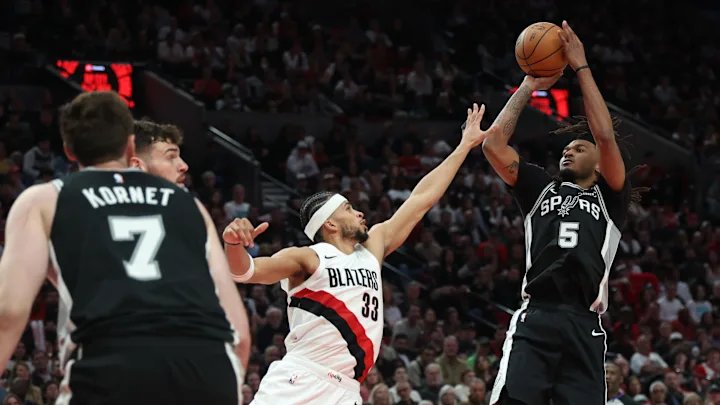
The Moment Fans Will Remember Most
Years from now, many fans may forget the exact score.
Some may forget who led in points.
Some may forget the highlights.
But they will remember that moment.
The young star walking away from celebration.
The veteran sitting alone in defeat.
The quiet kneel.
The whisper.
The silence.
The rise.
Because sports are remembered through emotion, not statistics.
And this was one of those rare moments that reminded everyone why people love sports in the first place.
Not just because of competition.
But because of connection.
Because behind every jersey is a person.
Because sometimes the most powerful victories never appear in the box score.
Final Thought
San Antonio won 120–108.
That will be recorded in history.
But Stephon Castle’s silent act of respect may be remembered longer.
Because on a night filled with noise, he chose empathy.
On a night built around winning, he chose humanity.
And in doing so, he showed the entire NBA what real leadership actually looks like.
Not louder.
Not bigger.
Just real.
And sometimes, that matters more than the final score ever could.