When Birdie was first discovered, hope seemed like a fragile, distant concept. His body was skeletal, his skin clung tightly to his bones, and dehydration had drained nearly all strength from him. He was too weak to stand, barely able to lift his head, and every breath appeared to cost him immense effort. To many, Birdie might have looked like a life already slipping away. But those who looked into his tired eyes saw something else entirely: a quiet determination, a spark that refused to go out.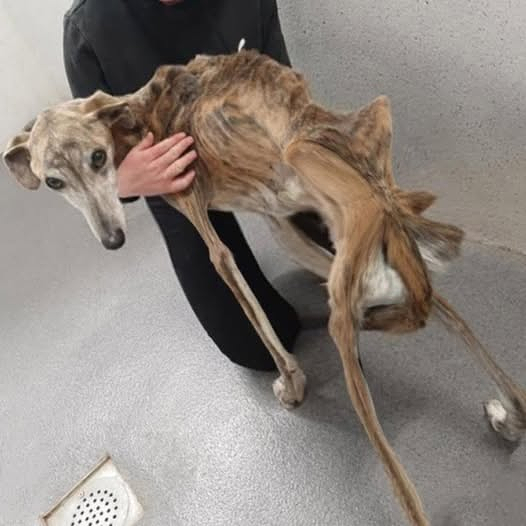
Birdie’s condition told a heartbreaking story of neglect and suffering. Malnourished and exhausted, he had likely spent weeks—or longer—fighting hunger, thirst, and fear. His frail body bore the marks of survival against overwhelming odds. Yet despite everything he had endured, Birdie did not resist help. When gentle hands reached out to him, he responded not with fear or aggression, but with a silent plea for relief.
The first days of his recovery were the most uncertain. Every small action mattered. Water had to be given slowly to avoid shocking his system. Food came in careful portions, measured not by appetite but by what his weakened body could handle. He could not stand, so he was lifted and repositioned, wrapped in warmth, and kept close under watchful eyes. Progress was counted not in leaps, but in tiny victories: a deeper breath, a flicker of alertness, a slight movement of his tail.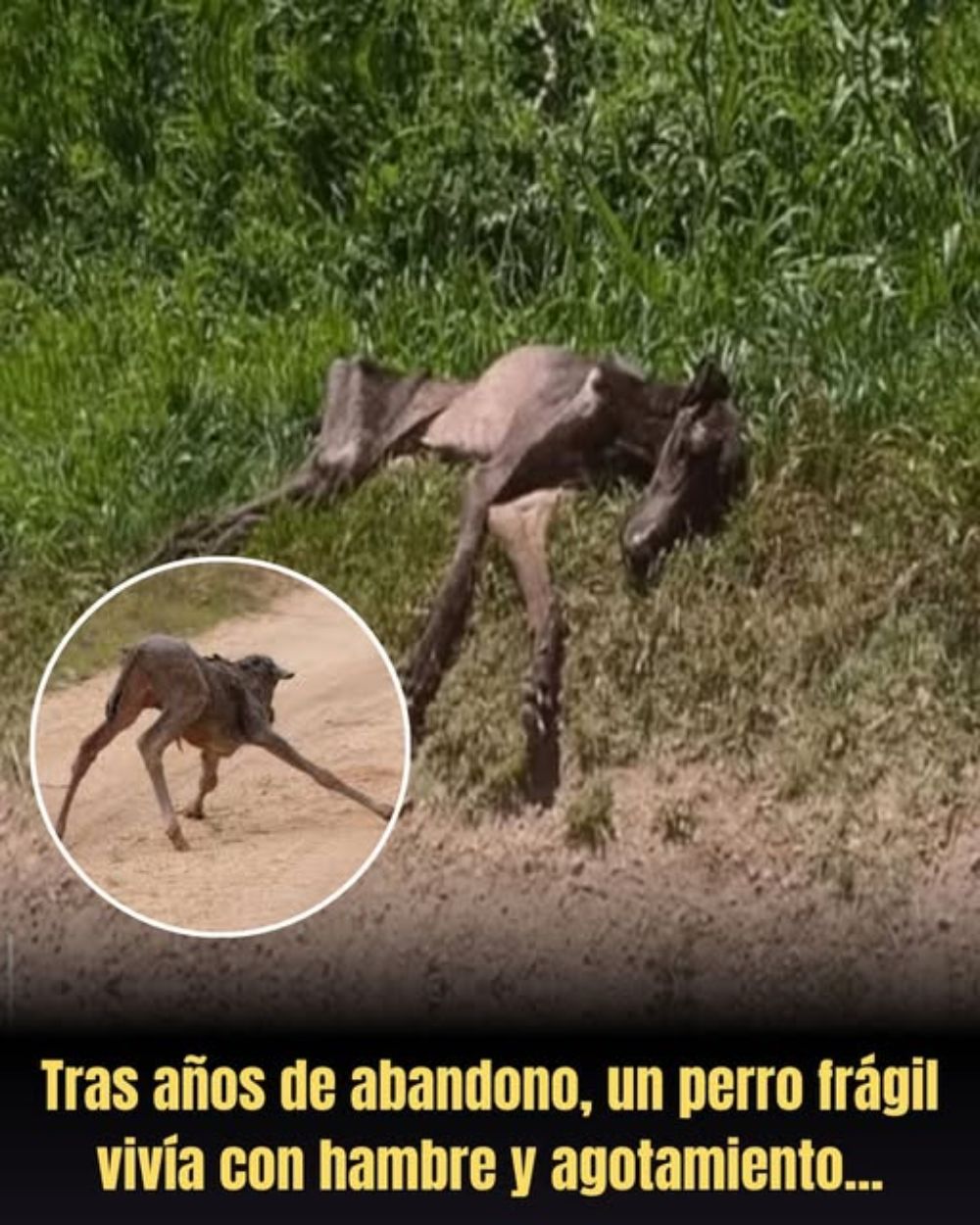
What sustained Birdie during this fragile period was more than medical care. It was patience. It was consistency. It was the steady presence of people who refused to give up on him, even when the outcome was uncertain. They spoke to him softly, reassured him through touch, and treated him not as a lost cause, but as a life worth saving.
Slowly, change began to show. His eyes, once dull and distant, started to follow movement in the room. His body responded to nourishment, gaining strength day by day. Where he had once been unable to stand, he began to push himself upright for brief moments. Each attempt, though shaky, marked a turning point. Birdie was no longer fading. He was fighting back.
Recovery is rarely a straight path, and Birdie’s journey was no exception. There were setbacks, moments of worry, and long nights of monitoring. But with every challenge, his resilience became clearer. His spirit, once buried beneath exhaustion and pain, started to emerge. The dog who had arrived barely clinging to life began to show personality—quiet curiosity, gentle trust, and an unmistakable will to live.
Birdie’s story is a powerful reminder of what compassion can achieve. He did not survive because of luck alone. He survived because someone chose to care, to invest time and resources into a life that many might have overlooked. His recovery demonstrates that even the most fragile souls can be pulled back from the edge when met with kindness and commitment.
Today, Birdie is still healing, but he is no longer slipping away. He is standing, eating, and engaging with the world around him. Each day adds a new layer of strength to his once-broken body. His journey is far from over, but his future now holds something it once lacked entirely: possibility.
Birdie’s rise is not just a story about survival. It is a testament to the profound impact of empathy. In choosing compassion, people gave Birdie more than care—they gave him a second chance at life.