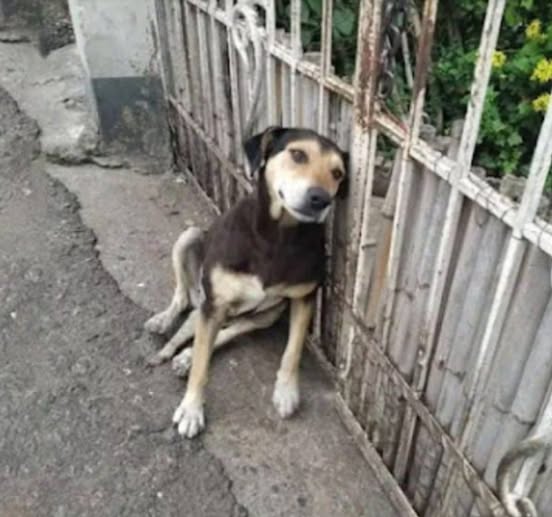
For years, Polito lived on the streets of San Martín, moving quietly from one corner to another in search of food, shelter, and something far more difficult to find — acceptance. As an abandoned dog, life was never easy, but for Polito it was especially cruel. Small tumors covered parts of his body, altering his appearance in ways that caused many people to look away in fear or discomfort. Where others saw something unsettling, Polito was simply trying to survive.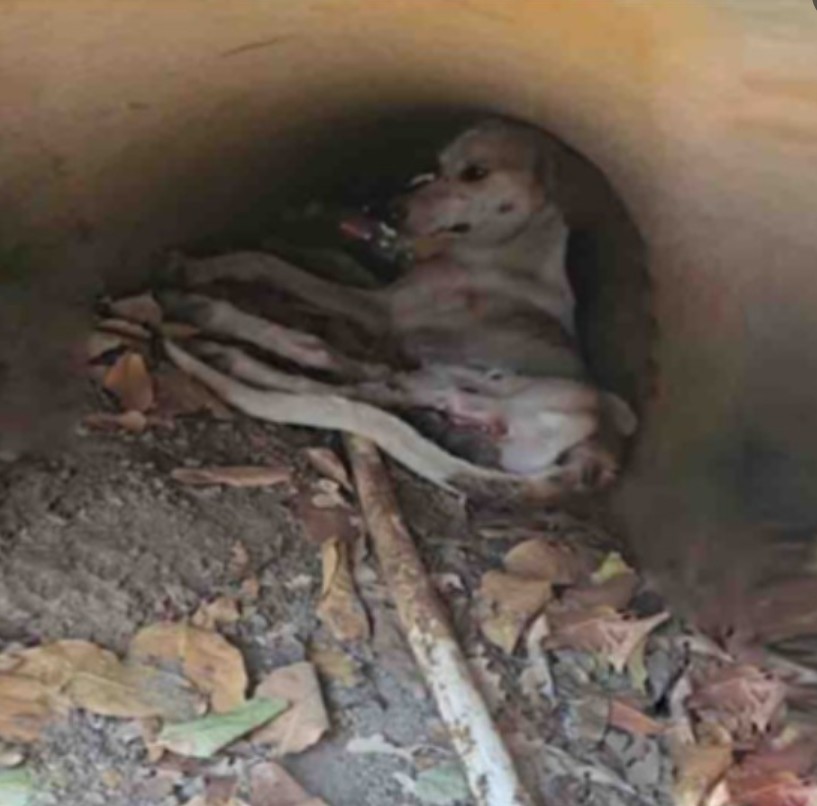
Day after day, he walked the same streets. He learned which areas might offer scraps of food and which doorways could protect him from rain or cold nights. Some people shooed him away, others crossed the street to avoid him. Children pointed, adults whispered, and Polito learned that being different often meant being invisible. Yet despite the rejection, he never showed aggression. He approached people slowly, tail low, eyes gentle, hoping someone would see beyond his appearance.
The tumors that frightened others were more than cosmetic. Over time, they caused discomfort and limited his movement. Still, Polito kept going. He slept wherever he could, enduring heat, cold, and hunger with quiet resilience. Those who observed him closely noticed something remarkable — he always seemed calm, as if he had accepted his fate without bitterness. But acceptance did not mean he had stopped hoping.
That hope was rewarded one ordinary afternoon. A local animal welfare volunteer spotted Polito resting near a small shop. Instead of recoiling, she sat down nearby and spoke softly. Polito did not run. He lifted his head, studied her, and slowly walked closer. That moment marked the beginning of a life-changing turn.
Polito was taken to a veterinary clinic where professionals examined his condition. The tumors, while alarming in appearance, were treatable. Years of neglect had allowed them to grow unchecked, but they were not a death sentence. Treatment began immediately, and for the first time in a long while, Polito experienced consistent care. He was given medication, proper nutrition, and a warm place to rest.
Recovery was not instant. Polito had to adjust to human touch, to regular meals, and to the idea that he was no longer alone. Each day brought small improvements. The swelling reduced, his energy increased, and his eyes grew brighter. As his health improved, so did his confidence. He began greeting people with cautious tail wags, leaning into affection he once feared would never come.
Word of Polito’s journey spread through the community. People who had passed him on the street began to recognize his face — now softer, calmer, and full of life. Many were surprised to learn how gentle he was. His story challenged assumptions about appearance and reminded others that suffering often hides behind what we fear or misunderstand.
When Polito was ready for adoption, rescuers were careful to find the right match. They knew he needed patience and compassion after years of rejection. When a family finally met him, there were no loud reactions or dramatic moments. Polito simply walked over, sat beside them, and stayed. It was enough.
Today, Polito no longer roams the streets. He has a home, a bed, and people who see him for who he truly is. The tumors that once defined him are gone, but the lessons he carries remain. His story is a powerful reminder that every life deserves a chance, regardless of appearance.
Polito’s journey from rejection to belonging proves that kindness can change not just one life, but the hearts of everyone who witnesses it.